Learning Doesn't Stop Inside the Classroom
Up to $2,500 for K–12 teachers taking students on educational field trips across Alabama.
What Is the Field Trip Grant?
Expanding student knowledge, skills, and cultural awareness.
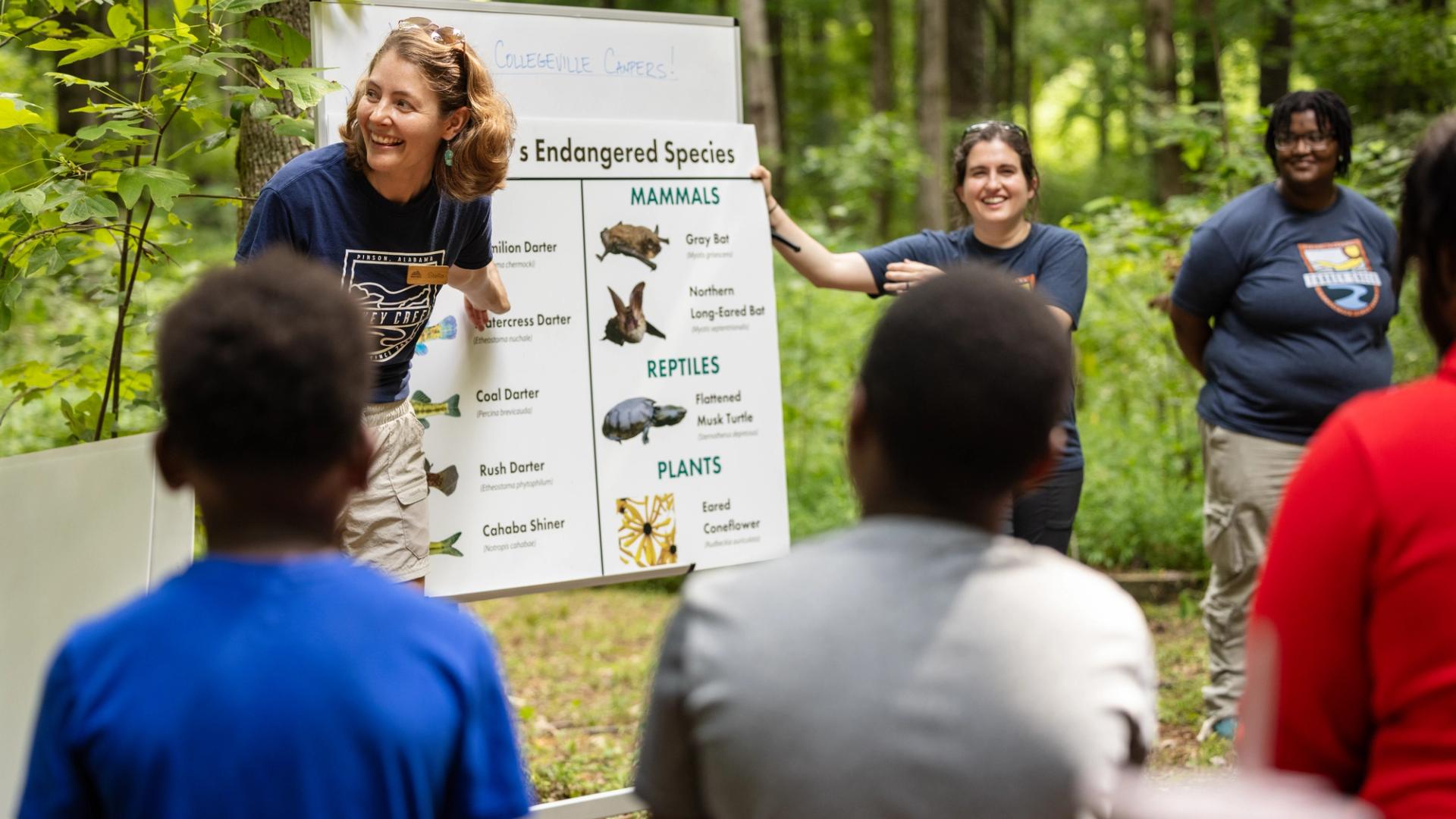
Some of the most powerful learning moments happen outside the classroom. Field Trip Grants provide funding for educational field trips that support student learning and engagement. Whether it's a visit to a historical site, a STEM-focused museum, or a nature preserve, these trips inspire curiosity, deepen understanding, and create lasting memories.
The Alabama Power Foundation awards up to $2,500 to K–12 teachers to make those experiences possible.
There is one application cycle per year. Applications for 2027 will open August 23 and close September 10.
Who Can Apply?
Field Trip Grants are open to K–12 teachers across Alabama. Awards are paid directly to the applying school, not to individuals or the field trip site.
Priority will be given to:
- Teachers in Title I public schools, or schools where 50% or more of students receive free or reduced meals
- Schools located in Alabama Power’s service territory
Please note: Recipient organizations must have tax-exempt status under the IRS Code and must not discriminate on the basis of race, color, creed, gender, nationality, or ethnic origin.

How Are Applications Evaluated?
Strong Field Trip Grant proposals do more than describe a destination. They show how the experience will deepen learning and open doors for students. Applications are evaluated on the following criteria:
- Educational Purpose: The field trip aligns with state curriculum standards and has a clear educational objective.
- Learning Outcomes: The trip should provide students with opportunities to expand their knowledge, skills, and cultural awareness.
- Opening Doors: Indicate how the grant will open doors to students who otherwise might not have been able to participate in the experience.
- Student Reach: The number of students impacted by the grant will be considered.
- Variety of Topics: Trips that cover a range of subjects, such as history, science, art, or environmental studies, are encouraged.
- Sustainability: Preference is given to trips with the potential for long-term educational benefits or partnerships.
Examples of eligible field trips include trips to museums, historical sites, STEM centers, nature preserves, and cultural landmarks.