Power to Play Grants: Funding for Alabama student athletics, arts, and music
Up to $2,500 for K-12 athletics, arts, and music programs.
What is a Power to Play Grant?
Alabama Power Foundation’s Power to Play Grant provides up to $2,500 to Alabama K-12 schools, 501(c)(3) organizations, and educators to expand one of three program types:
- Athletics grants
- Arts grants
- Music grants
All three share a single application cycle, which opens July 27, 2026, and closes August 28, 2026.
How Power to Play Grants support students
Communities are stronger when students succeed. Studies show that students who participate in extracurricular activities perform better in the classroom and are more likely to graduate from high school. Power to Play Grants help Alabama schools and educators remove barriers to participation in athletics, arts, and music.
Who can apply for a Power to Play Grant
- Athletics: Schools or 501(c)(3) organizations serving students in grades K-12, working to reduce barriers to participation. Schools must be members in good standing of AHSAA or AISA, where applicable.
- Arts and Music: Educators in grades K-12.
- All Applicants: Priority goes to Title I public schools and schools where 50% or more of students receive free or reduced meals. Awards are paid to the school or organization, not to individuals. Recipients submit a six-month and a final report on how funds were used.

What Power to Play Grants can fund
Examples of permitted uses for Power to Play athletic grants include:
- Offering a new sport at the high school
- Offering a new team (freshman team, JV team) in an existing sport
- Increasing the number of students carried on the roster of an existing team
- Purchasing sport-specific equipment and/or uniforms for new teams or new players
- Payment of expenses for the new program (referees, umpires, tournament entry fees, etc.)
- Improvement to a sports venue that increases its capacity for handling new teams
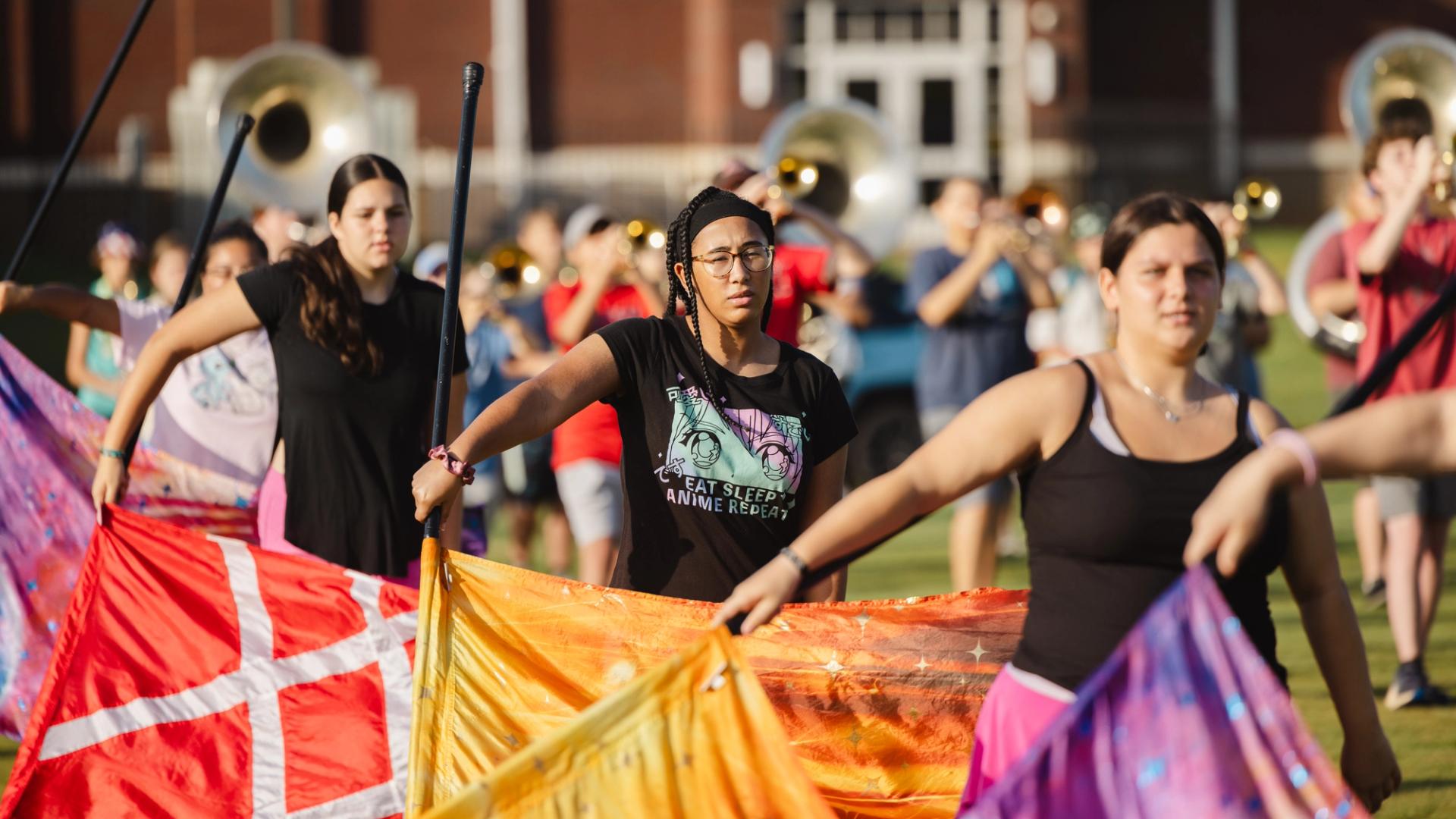
Examples of permitted uses for the Power to Play arts grants include:
- Offering a new arts program
- Increasing participation for an existing fine or visual arts program
- Purchasing new uniforms for a dance team
- Enhancing or upgrading supplies or equipment
Examples of permitted uses for the Power to Play music grants include:
- Creating a new music program
- Purchasing new instruments, sheet music, equipment or uniforms for an existing music program
- Supporting competitions, festivals, or performances
- Professional development for music educators
- Integrating technology into music instruction (e.g., recording equipment or music software)
Apply for a Power to Play Grant
The Power to Play Grant application opens July 27 and closes August 28, 2026. Alabama schools, 501(c)(3) organizations, and educators can apply for up to $2,500 to support athletics, arts, or music programs.